
Cold Weather Sailing: Frostbiting Gear Guide
When frostbiting, or sailing in cold weather in general, it is essential to stay as dry, warm and protected as possible while racing or training.
Cold conditions not only make sailing more uncomfortable, but they can also impact performance, safety, and concentration on the water. So, it’s important to have the right clothing and equipment that will allow you to enjoy sailing even in freezing conditions and reduce the risk of cold-related injuries such as hypothermia or frostbite.
Below are our top tips to help you stay warm, comfortable, and safe when frostbiting.
Wet suit vs dry suit
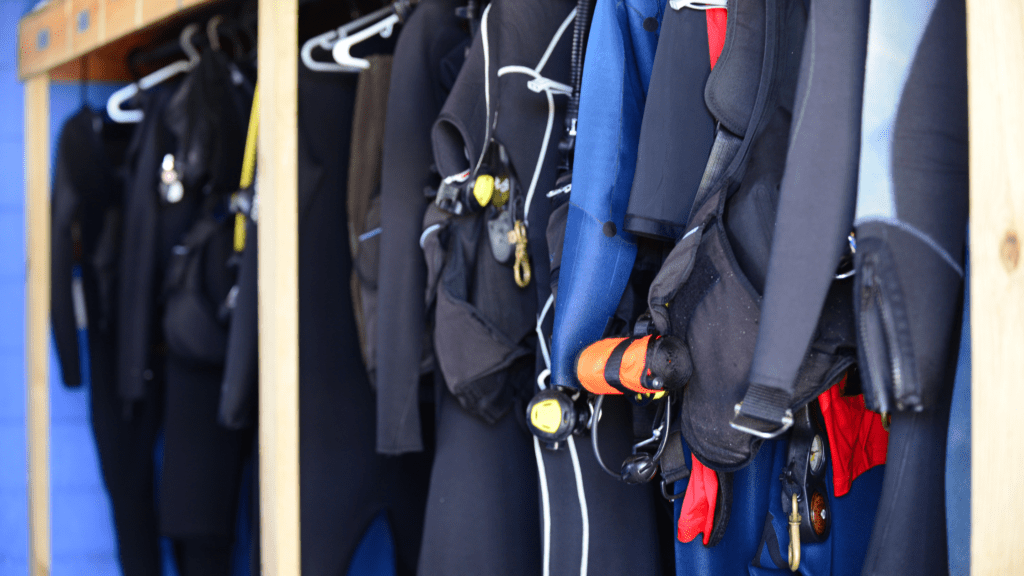
There are two main approaches to staying warm when sailing in cold weather: wearing a wetsuit or a dry suit.
A dry suit is generally the best option for very cold conditions, particularly when air and water temperatures are low. Dry suits are designed to keep water out entirely, allowing you to wear insulating layers underneath. This makes them ideal for frostbiting, long sessions on the water, or situations where capsizing might occur. However, dry suits are usually more expensive and can lose effectiveness if damaged. A tear or faulty seal can allow water in, reducing insulation significantly.
A wetsuit, on the other hand, is often a better option for slightly milder cold-weather sailing or when you expect to get wet regularly. Wetsuits work by trapping a thin layer of water between your body and the suit, which warms up and helps retain heat. They are generally more affordable, durable, and flexible than dry suits, making them a popular choice for active dinghy sailors.
Ultimately, the right choice depends on water temperature, air temperature, how active you’ll be, and how likely you are to end up in the water.
Thermal layers
Layering is one of the most important aspects of cold weather sailing.
Start with a lightweight base layer designed to wick moisture away from your skin. This helps keep you dry, which is crucial, as damp clothing accelerates heat loss.
On colder days, adding a mid-layer such as a fleece or thermal top provides extra insulation. The thickness of this layer should depend on the conditions and how hard you’ll be working while sailing.
It’s important to avoid cotton wherever possible. Once cotton gets wet, it loses its insulating properties and can actually make you colder. Instead, opt for synthetic or natural fibres such as wool, which retain warmth even when damp.
It’s useful to bring along an extra layer anyway and keep an eye on the weather forecast.
Gloves and Hats
Keeping your extremities warm is key when sailing in cold conditions.
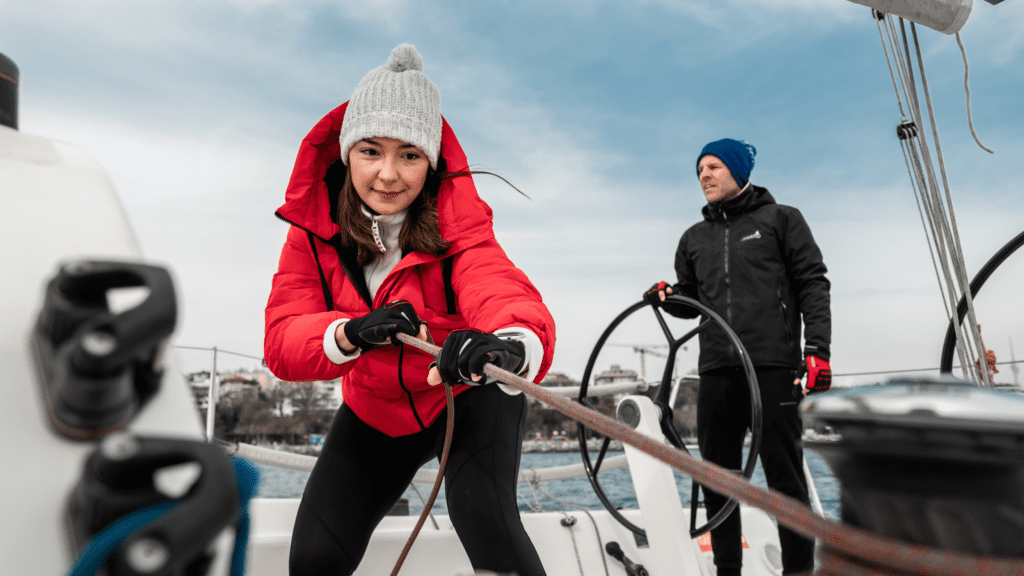
Your hands are constantly exposed to wind and water, so choosing the right gloves can make a huge difference. Look for neoprene sailing gloves that provide insulation while still offering good grip and dexterity. A secure fit will help prevent water flushing through and keep your hands warmer for longer.
A hat is another essential item for winter sailing. A significant amount of body heat is lost through the head, so wearing a warm, well-fitting hat can greatly improve overall comfort. On brighter winter days, a hat can also help protect you from the sun and reduce glare.
Footwear
Just like your hands, your feet need proper protection in cold weather.
Choose sailing footwear that allows you to move easily around the boat while still keeping your feet insulated and protected from the elements. Boots or shoes made from neoprene are a popular choice, as they provide warmth even when wet.
Adding a pair of thermal socks underneath can further improve insulation. Neoprene socks are particularly effective, although they can be harder to remove once wet. Despite this, the additional warmth they provide often makes them worth it during frostbiting sessions.
Life jackets
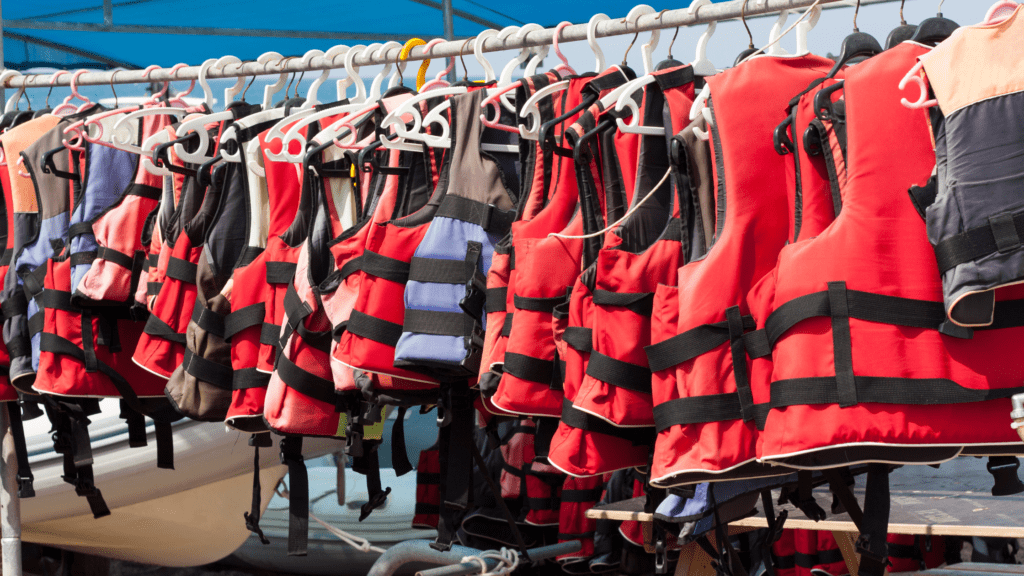
Life jackets are required for all racers, but they are especially important when sailing in cold weather.
Colder conditions often bring stronger winds and rougher water, increasing the risk of capsize or falling overboard. Wearing a properly fitted life jacket helps keep you safe if something goes wrong.
Make sure your life jacket fits well, sits comfortably over your cold-weather layers, and has no loose straps or fittings that could snag on ropes or equipment during manoeuvres.
Additional items to bring
There are a few extra items that can make cold weather sailing more comfortable and enjoyable:
- Suncream and sunglasses, as winter sun and glare off the water can still be strong
- A water bottle, as it’s easy to become dehydrated even in cold conditions
- A warm, dry change of clothes for after sailing, which can make a big difference to recovery and comfort once you’re off the water
Being prepared with the right gear allows you to focus on sailing, not the cold. With sensible layering and appropriate equipment, frostbiting can be both safe and enjoyable, even in challenging winter conditions. Alongside the right clothing and equipment, it’s also worth making sure your boat insurance provides appropriate cover for winter sailing and cold-weather use.